

- The Real Problem With Choosing Window Treatments
- TL;DR: What Are Plantation Shutters?
- The Pros of Plantation Shutters
- The Cons of Plantation Shutters
- Timber vs PVC Plantation Shutters: Which Is Better?
- Are DIY Plantation Shutters Worth It?
- When DIY Plantation Shutters Make Sense
- DIY vs Professional Installation: A Side-by-Side Comparison
- How Much Do Plantation Shutters Cost in Australia?
- Are Plantation Shutters Worth the Investment?
- Final Verdict
- FAQs About Plantation Shutters
The Real Problem With Choosing Window Treatments
You’ve spent months pulling together the look of your home. The walls are painted. The furniture is chosen. And then you stand at the window and realise you still haven’t sorted the one thing everyone notices first.
Window treatments. Simple in theory. Overwhelming in practice.
Blinds feel cheap. Curtains feel heavy. And every time you scroll through Instagram or walk through a display home, those clean, crisp plantation shutters catch your eye. But the price tag stops you cold. Then someone mentions you can install them yourself, and suddenly you’re wondering whether that’s genuinely smart or just a shortcut to a very expensive mistake.
This guide gives you the honest, unfiltered breakdown. The real pros, the real cons, the truth about DIY, and everything you need to make a confident decision.
TL;DR: What Are Plantation Shutters?
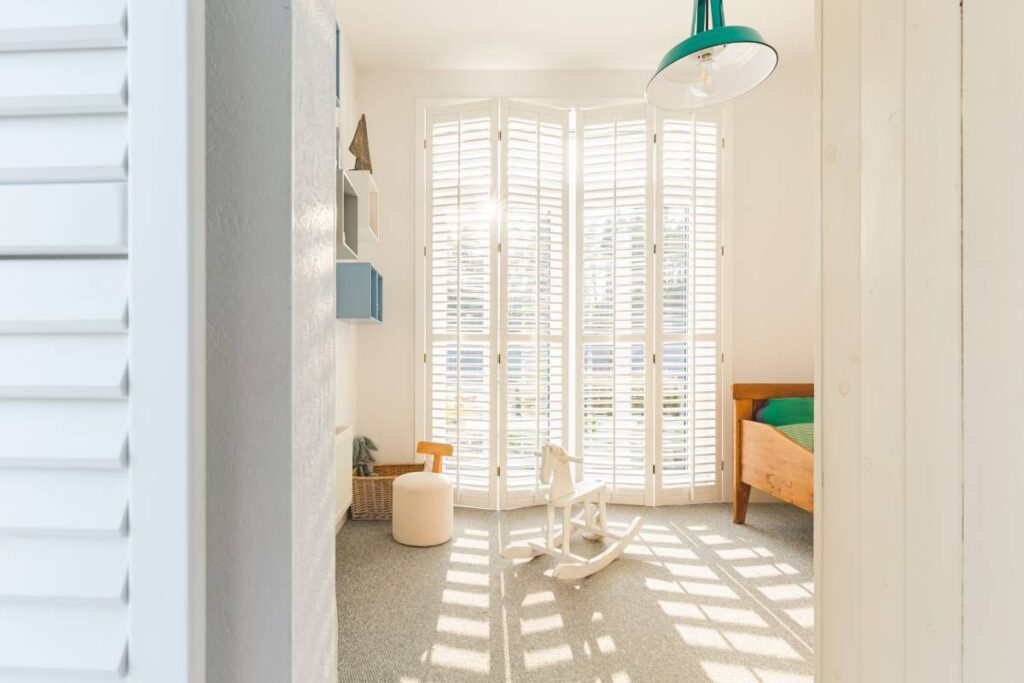
Plantation shutters are solid interior window panels fitted with adjustable horizontal louvre blades. They are mounted directly to the window frame and allow you to control light, airflow, and privacy independently. Available in timber, PVC, and composite materials, they are considered a permanent, premium window furnishing that can increase property value.
The Pros of Plantation Shutters
1. Outstanding Light and Privacy Control
Plantation shutters give you precise control over your environment. You can tilt the louvre blades to let in diffused natural light while maintaining full privacy. No other window treatment offers this level of dual control simultaneously.
This is particularly valuable in Australian homes where intense afternoon sun is a daily reality.
2. They Add Genuine Property Value
Unlike blinds or curtains, plantation shutters are classified as a permanent fixture. That distinction matters at sale time. Real estate agents consistently report that quality shutters are a selling point, particularly in the family home and prestige property markets.
Buyers perceive them as a premium inclusion, not a cosmetic add-on.
3. Exceptional Durability
A well-made plantation shutter, when properly maintained, can last 20 years or longer. There are no fabrics to fade, no cords to snap, and no mechanisms to jam. The louvre and frame construction is fundamentally simple and robust.
PVC variants in particular are highly resistant to warping, cracking, and moisture.
4. Easy to Clean and Maintain
Dust the louvres. Wipe down with a damp cloth. Done.
For households with allergies, asthma, or pets, this is a significant health and lifestyle advantage over fabric blinds or curtains, which trap allergens and require regular deep cleaning.
If allergies are a concern in your household, it is worth understanding just how much house dust can trigger reactions and why minimising fabric surfaces in your home makes such a measurable difference.
5. Timeless Aesthetic Appeal
Plantation shutters do not go out of style. Whether your home is contemporary, Hamptons-inspired, federation, or coastal, shutters integrate cleanly into almost any interior design direction.
They read as both classic and fresh, which is a rare quality in a window furnishing.
6. Improved Insulation and Energy Efficiency
Closed plantation shutters create an insulating air pocket between the glass and the louvre panel. This reduces heat transfer in summer and retains warmth in winter, which can meaningfully reduce your energy bills over time.
This benefit is especially relevant in climates with significant temperature variation.
The Cons of Plantation Shutters
1. Higher Upfront Cost
This is the most common barrier. Plantation shutters are significantly more expensive than blinds or curtains upfront. For a standard Australian home, full coverage can run into several thousand dollars, depending on the number of windows and the material chosen.
The long-term cost-per-year calculation often favours shutters, but the initial outlay is real and cannot be minimised.
2. Not Ideal for Every Window Type
Arched windows, circular windows, and skylights are difficult and expensive to fit with standard shutter panels. Bi-fold or sliding door configurations require specific hardware and careful measurement.
Unusual window shapes will increase both cost and complexity considerably.
3. Reduced Light When Fully Closed
Plantation shutters, when closed, block more light than sheer curtains or light-filtering blinds. For rooms that rely on natural light for ambience, this can feel oppressive if the shutters are closed during the day.
This is a design consideration, not a defect, but it is worth accounting for in your planning.
4. Permanent Installation Means Commitment
Because shutters are fixed to the window frame, they are not easily moved or repurposed if you redecorate or relocate. This is less of an issue for homeowners than renters, but it is a genuine constraint.
Removing professionally installed shutters can also leave marks on the frame.
5. Timber Versions Require More Care in Humid Climates
In coastal Queensland, Darwin, or any high-humidity environment, solid timber plantation shutters can warp, swell, or crack over time if not properly sealed and maintained. This is a documented limitation that many sales consultants gloss over.
PVC or composite options are a smarter choice in these environments.
Timber vs PVC Plantation Shutters: Which Is Better?
| Feature | Timber (Basswood) | PVC / ABS Polymer |
| Aesthetic warmth | Excellent | Good |
| Moisture resistance | Poor to moderate | Excellent |
| Weight | Heavier | Lighter |
| Durability | 15 to 25 years (with care) | 20 to 30 years |
| Paintability | Yes | Limited |
| Best for | Dry, temperate climates | Humid, coastal, wet areas |
| Cost | Higher | Moderate |
| Eco credentials | Renewable (if certified) | Petroleum-based |
Bottom line: For most Australian homes outside of dry inland areas, PVC or composite shutters offer a smarter balance of performance and longevity. Timber is a premium choice but demands the right environment and consistent upkeep.
Are DIY Plantation Shutters Worth It?
DIY plantation shutters can absolutely work well, under the right conditions. The keyword is “conditions.” They are not universally a good idea, and the result you get depends heavily on your measuring accuracy, your comfort with basic tools, and the complexity of your window configuration.
When DIY Plantation Shutters Make Sense
- Your windows are standard, rectangular shapes with no unusual features
- You are comfortable taking precise measurements and following detailed instructions
- You are installing inside-mount shutters on a square, level frame
- You have time for the project and are not rushing toward a deadline
- You are working with a reputable supplier who offers a remeasure guarantee and strong after-sales support. Perth-based homeowners, for example, have found specialists like Perth’s Boutique Plantation Shutters offer exactly this kind of guidance for both DIY and professional installs
When DIY Plantation Shutters Are a Risk
- You have non-standard window sizes, arches, or bay windows
- Your frames are out of square (very common in older Australian homes)
- You are attempting an outside-mount installation without prior carpentry experience
- The windows are large, heavy, or in a hard-to-access location
- You have purchased a lower-quality kit without adequate installation support
The Real DIY Risk: The Measurement
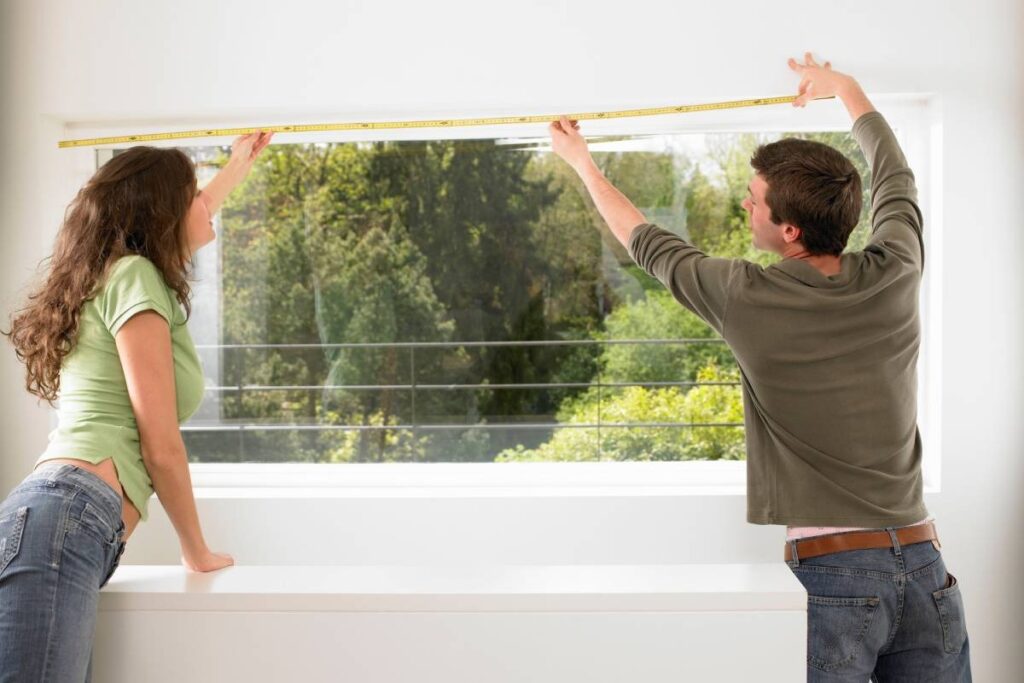
The most common DIY failure point is not the installation itself. It is the measurement. Shutters are custom-cut to your specifications. If your measurements are off, your shutters will not fit. And most suppliers will not remake them for free unless you have purchased a remeasure guarantee.
If you go DIY, measure three times. Then measure again.
DIY vs Professional Installation: A Side-by-Side Comparison
| Factor | DIY Installation | Professional Installation |
| Upfront cost | Lower (save on labour) | Higher |
| Measurement risk | High (your responsibility) | Low (professionally managed) |
| Time required | 4 to 8 hours for a standard room | 1 to 3 hours per room |
| Quality of finish | Variable | Consistently high |
| Warranty coverage | May be voided | Usually included |
| Suitable for complex windows | Not recommended | Yes |
| Skill level required | Moderate | N/A |
| Best for | Confident DIYers, simple windows | All situations, complex installs |
How Much Do Plantation Shutters Cost in Australia?
Costs vary significantly based on material, supplier, window size, and installation method. The following are general market benchmarks as a guide only.
| Window Size | DIY PVC (Supply Only) | Professional PVC (Supplied and Installed) | Professional Timber |
| Small (up to 600mm wide) | $150 to $250 | $350 to $550 | $500 to $750 |
| Medium (600mm to 1200mm) | $250 to $450 | $550 to $850 | $750 to $1,100 |
| Large (1200mm to 2000mm) | $400 to $700 | $800 to $1,300 | $1,100 to $1,800 |
| Full home (average 3 bed) | $1,500 to $3,000 | $4,000 to $8,000 | $6,000 to $12,000+ |
Prices are indicative only and vary by state and supplier. Always obtain at least three quotes.
Labour typically accounts for 25 to 40 per cent of the total cost for a professionally installed job, which is why DIY is appealing. But factor in the cost of errors before assuming DIY will always be cheaper.
Are Plantation Shutters Worth the Investment?
For the right home, the right rooms, and the right buyer, yes. Unambiguously yes.
Plantation shutters are a long-term investment, not a short-term purchase. When you divide the cost across their usable lifespan of 20 or more years, the annual cost is often comparable to or lower than replacing blinds or curtains every five to seven years.
They also deliver daily lifestyle value: better sleep with light control, lower energy bills, easier cleaning, and a home that simply looks more polished.
Where they are a poor investment is in a rental property you plan to sell soon, in rooms with unusually shaped windows that inflate the cost significantly, or when budget pressure pushes you toward a very low-quality product that will not hold up over time.
Buy quality once, or buy budget twice. The maths rarely favours the second option.
Final Verdict
Plantation shutters earn their reputation. They genuinely deliver on light control, durability, aesthetics, and long-term value in a way that most other window treatments simply cannot match.
The cons are real but manageable. The upfront cost is the primary barrier, and it is a legitimate one. But when you look at what you get across 20 or more years of daily use, the value equation shifts considerably.
DIY is a viable path for confident, methodical homeowners with standard windows. It is not the right choice for complex installations or anyone who is not comfortable with the measurement responsibility.
If you are going to invest, do it properly. Choose a reputable supplier, select the right material for your climate, and do not let the labour cost push you into a DIY job your skill level does not support.
The biggest regret in home renovation is not spending too much. It is cutting corners on something you look at every single day.
So here is the question worth sitting with: If you could see exactly what your home would look like with quality plantation shutters installed in every room, would the price still feel like the obstacle?
Leave a Reply